Introduction
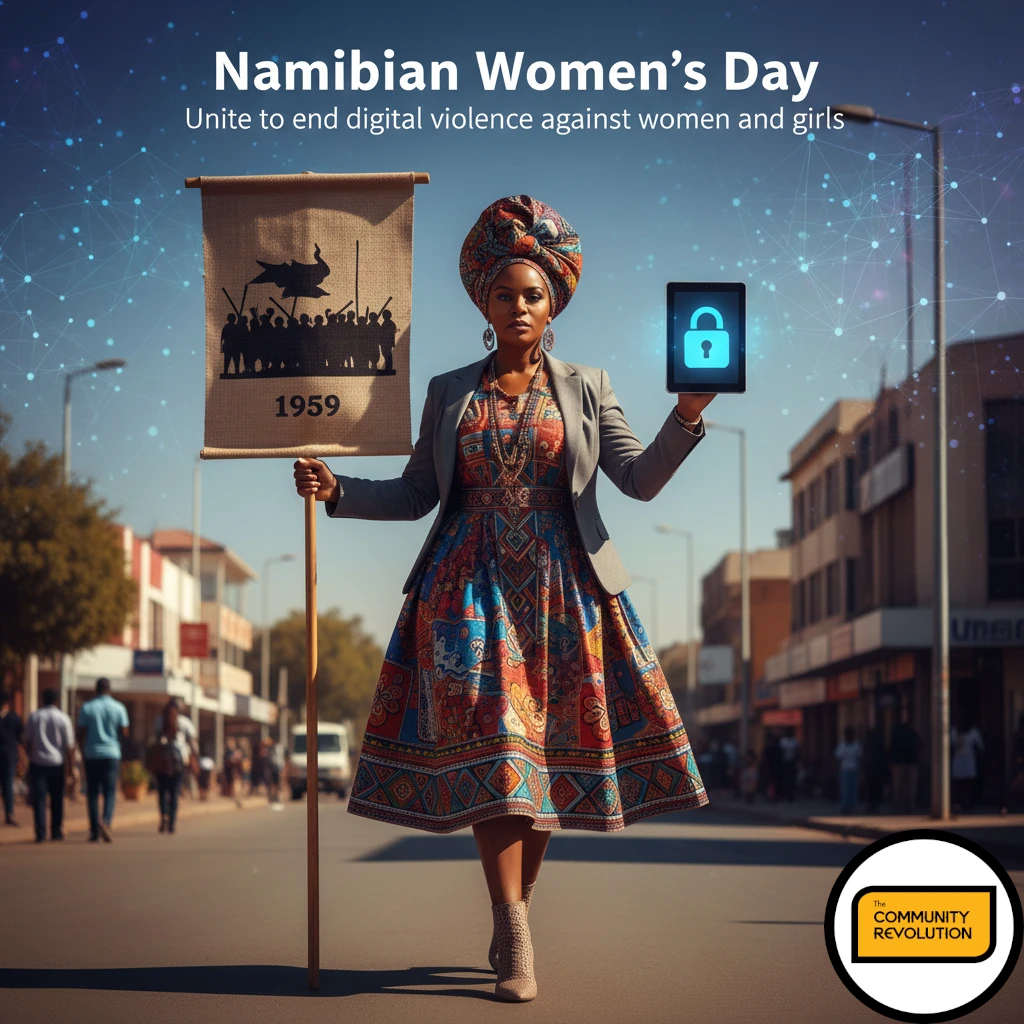
Every year on 10th December, the world observes International Human Rights Day. However, in Namibia, this date is uniquely celebrated as Namibian Women’s Day. It is a profound moment to honour the pivotal role women played in the nation’s independence struggle and to reflect on the battles for justice that continue today. This critical date also marks the culmination of the global 16 Days of Activism against Gender-Based Violence campaign.
For 2025, the theme for the day is “Unite to end digital violence against women and girls”. This critical focus brings the fight for human rights into the digital age, confronting a systemic barrier to gender equality and empowerment.
At The Community Revolution (TCR), we believe that a world free of poverty and injustice is only possible when all people are safe, both offline and online. This article explores the legacy of Namibian women and outlines how this year’s theme directly challenges us to use knowledge, technology, and community activism to safeguard the digital rights of women and girls everywhere.
A global call to action: The 16 Days of Activism
Running annually from 25th November (International Day for the Elimination of Violence against Women) to 10th December (Human Rights Day), the 16 Days of Activism against Gender-Based Violence is a worldwide campaign dedicated to demanding concrete action to end violence against women and girls.
The 2025 campaign, with the rallying cry #NoExcuse for online abuse, powerfully reinforces the theme of Namibian Women’s Day. For millions, the digital world has become a minefield of harassment and control, a modern tool of oppression designed to shame and silence women, with the violence’s impact seeping into their real lives.
As this important campaign concludes, we are called to move from awareness to action, challenging unequal gender norms and demanding that technology becomes a force for equality, not harm.
The roots of a revolution: why 10th December matters
The date 10th December holds a powerful significance in Namibia, commemorating the 1959 Old Location Uprising in Windhoek. This peaceful protest, in which Namibian women were key drivers, was a turning point that galvanised the nation’s journey towards self-determination and eventual independence.
By adopting International Human Rights Day as Namibian Women’s Day, the nation affirms that the struggle for human rights is the struggle for women’s rights. It is a powerful reminder that women have always been at the forefront of driving systematic, transformative change. We encourage you to read more about this pivotal history in our article on Namibia Independence Day 2025.
The new frontier of injustice: Technology Facilitated Sexual Violence
While the struggle for physical and political freedom continues, a new frontline has emerged in the digital space. Technology Facilitated Sexual Violence (TFSV) is a broad term for abuses such as cyber harassment, non-consensual sharing of intimate images, and cyber stalking.
Insights from our recent report, Technology Facilitated Sexual Violence: Implications for the work of The Community Revolution, confirm that the core driver of TFSV is the desire to silence women, remove their voice, and take away their power. It is a systemic backlash, recreating patriarchal harms in the online environment, often targeting women who are politically active, visible, or hold leadership roles.
The impacts are severe. As detailed in the report, the emotional and psychological toll is often minimised, which is why TCR is committed to adopting a survivor-centred approach and working with partners to apply principles of trauma-informed care in all our programmes.
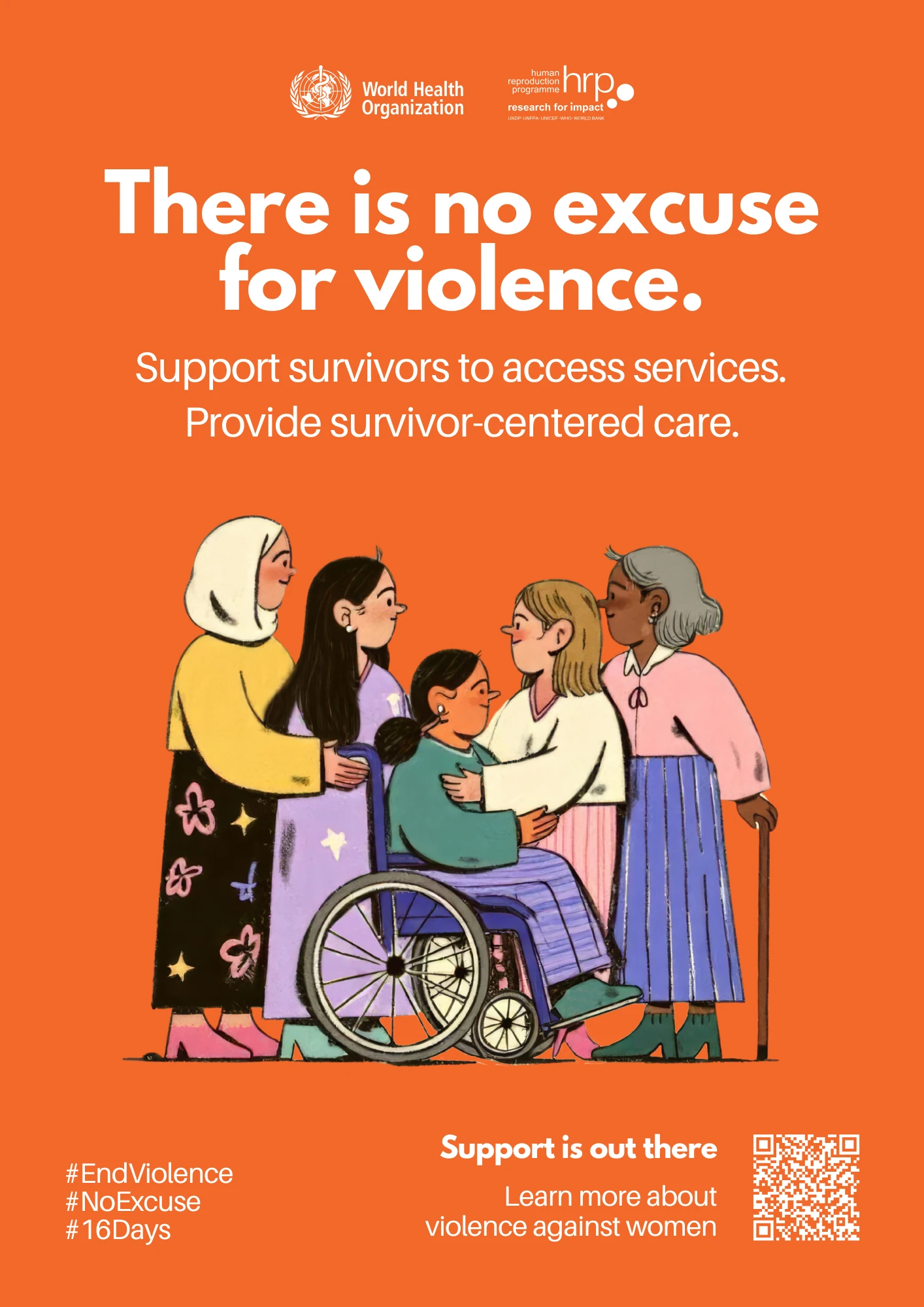
We echo the sentiment of the UN Women’s Call to Action: Unite to end digital violence against all women and girls and recognise that to truly achieve digital inclusion, we must first ensure digital safety.

Our values, your call to action
The fight against digital violence is central to the mission and values of The Community Revolution. We cannot pursue the UN Sustainable Development Goals without actively confronting the inequalities that block women’s access to digital spaces.
Our work is directly guided by the following principles:
- Empowerment: We run capacity-building programmes to increase digital and other skills. This year’s theme highlights the urgency of integrating digital self-defence training and promoting active bystandership to enable individuals to drive meaningful change safely.
- Diversity and Inclusion: We actively work to address systematic inequalities. The TFSV report confirms that violence is compounded for marginalised groups, reinforcing our commitment to championing equity for women, and indigenous minorities in the digital sphere.
- Knowledge and Innovation: We must actively generate new knowledge through rigorous research to provide the evidence base needed for policy change. This commitment to data and research directly supports the fight against TFSV.
We are a volunteer-run organisation, and our impact is driven by people like you. This Namibian Women’s Day, we urge you to turn your passion for social justice into action. By volunteering with TCR, you can directly help us to develop the evidence-based solutions and safe digital spaces that will end this new form of violence.
Find out more about Volunteering with Us and browse our Volunteer roles to join the revolution.