The long walk home: how clean water unlocks women’s power in Tanzania and across the globe
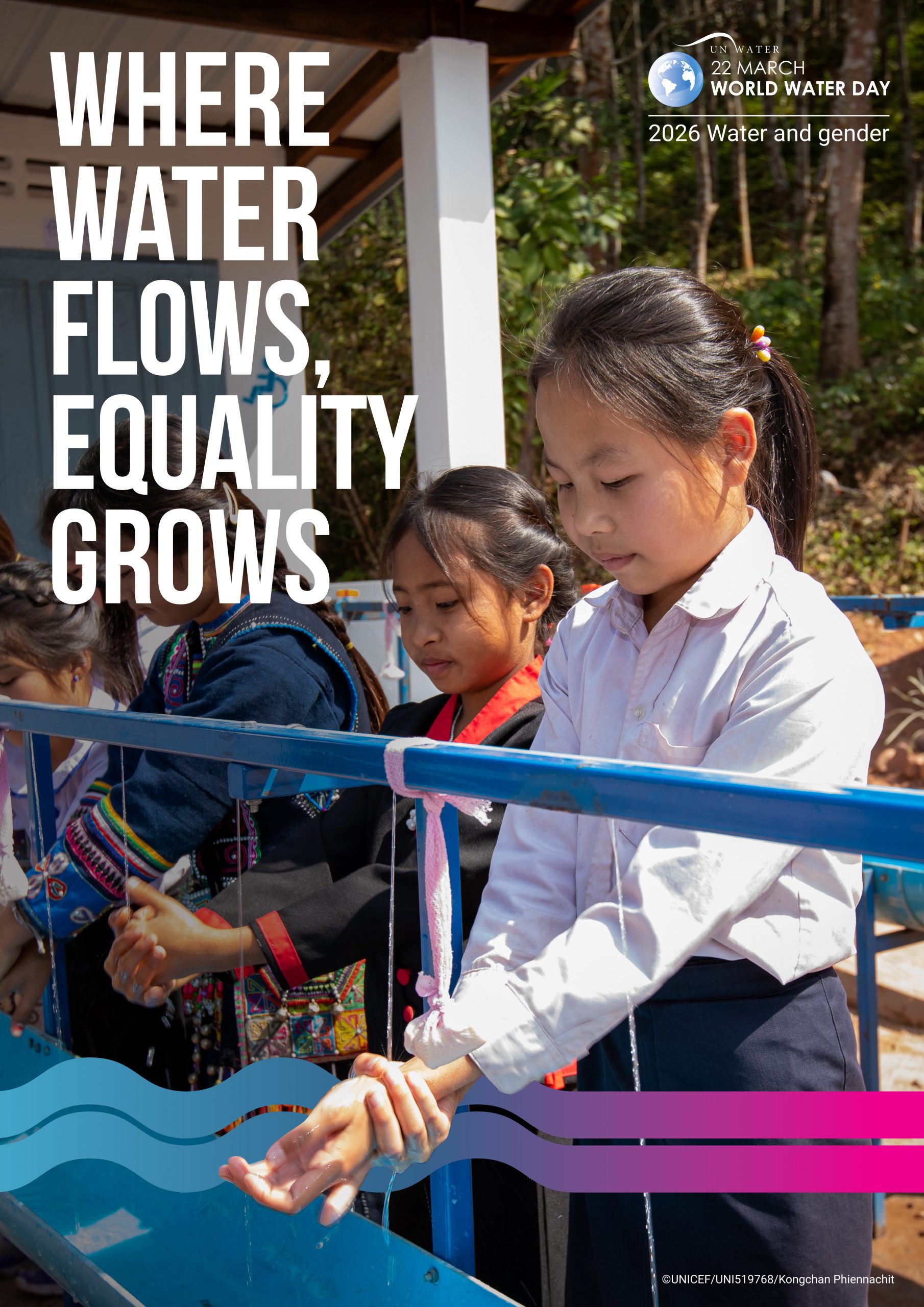
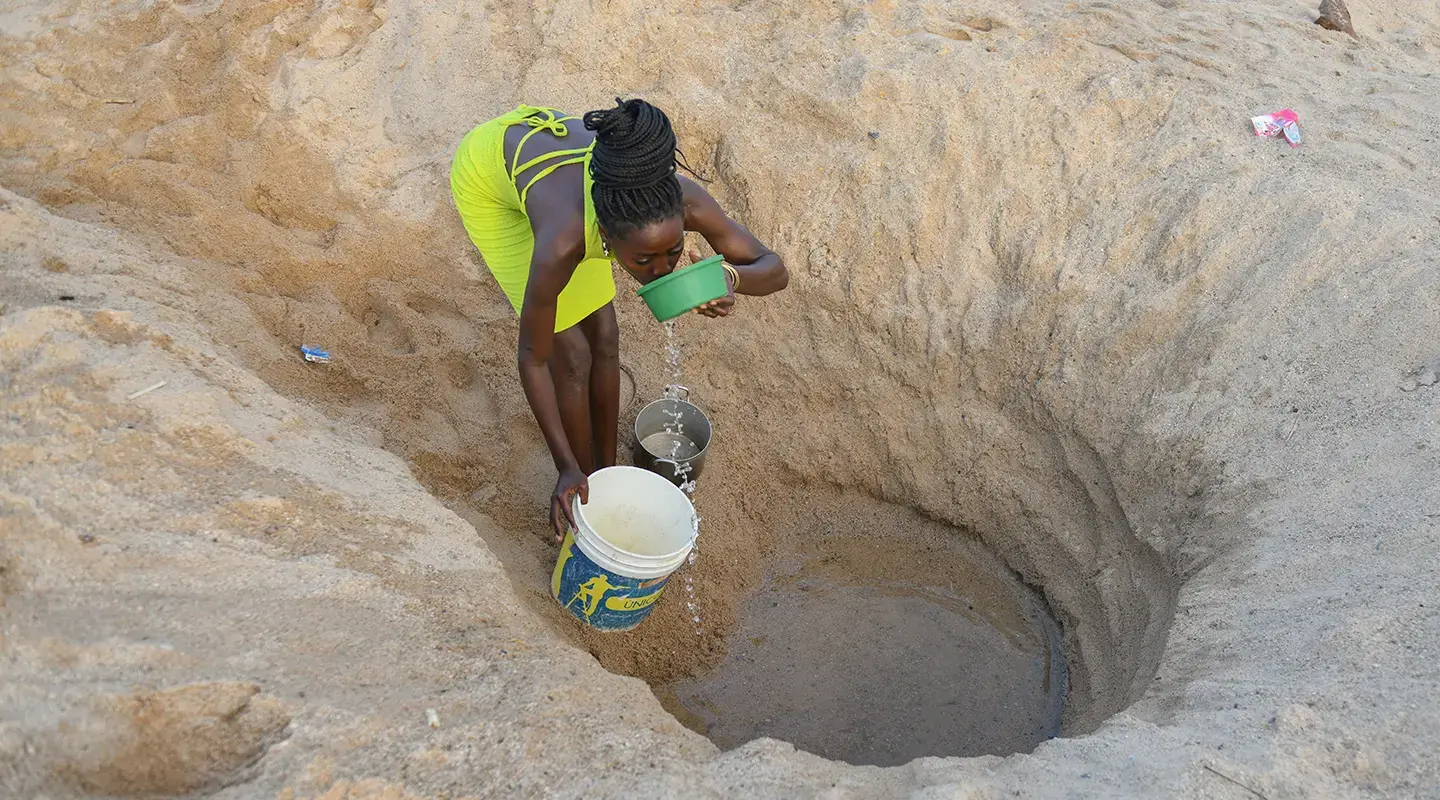
Across the globe, the fight for gender equality often begins with a journey, a journey to collect water. World Water Day 2026, themed Water and Gender, highlights a stark global reality: women and girls collectively spend 250 million hours every day fetching water, a massive and unseen drain on human potential. These journeys are not just long; they are dangerous, exposing women to threats of violence, disease, and blocking access to education and economic opportunities.
The global crisis: from Sudan to Angola
The devastating effects are currently visible across Africa. In regions facing climate pressure, such as Sudan’s water crisis or where vanishing rivers in Angola force women to walk farther, the risk of diseases like cholera and severe health risks compromise maternal health. This is not merely a social crisis; it is an issue of impact and justice.
The policy mandate for a water-secure Africa
The African Union (AU) has set its 2026 theme as Assuring sustainable water availability and safe sanitation systems, directly addressing this crisis. This political prioritisation is vital, but the long-term vision is formalised in the Africa Water Vision 2063 and Policy.
This document explicitly links water security to gender equality, stating that Africa cannot achieve its development goals without explicitly empowering women. The Vision mandates “purposefully inclusive approaches with regard to roles and responsibilities in managing water and related resources“, requiring the inclusion of women and marginalised groups in decision-making and resource access.
The AU vision demands universal access to safely managed water and sanitation by 2063. Crucially, the policy requires formal GESI (Gender Equality and Social Inclusion) principles to be integrated into 60% of national water policies and 50% of transboundary basin agreements by 2033, alongside achieving GESI-balanced representation in 80% of basin institutions by 2043. This is how a policy addresses gender equality with tangible targets.
Eliminating the 40km water walk in Tanzania
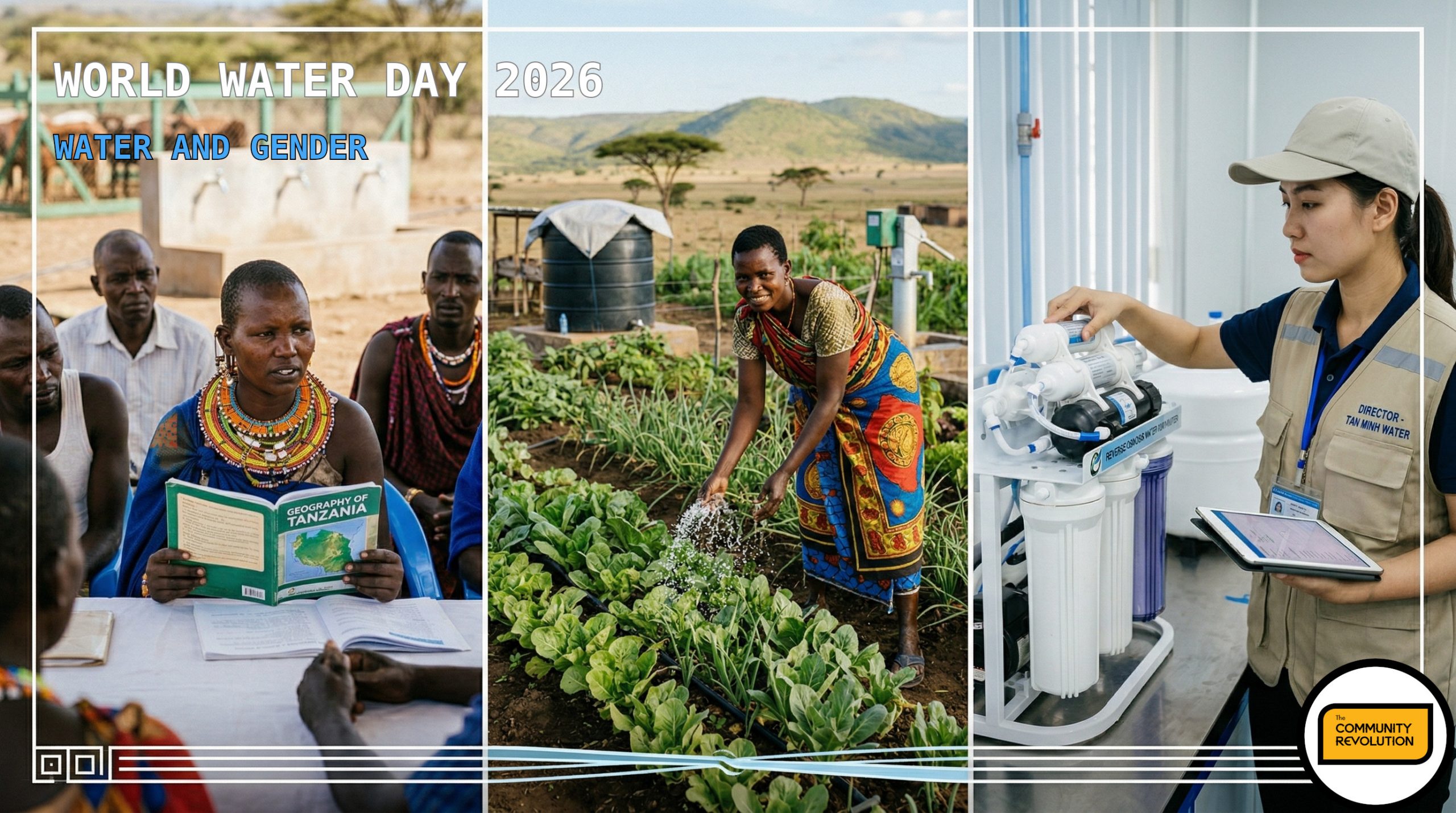
For thousands of women and girls in the Manyara region of Tanzania, fetching water meant a round trip of up to 40km, a monumental, daily time theft that chains them to drudgery. This lack of reliable supply is a critical barrier to all development, including robust food and nature systems.
The Community Revolution partnered with local communities to design a solution rooted in renewable energy: Solar Direct-Drive (SDD) water pumps linked to our CERC initiative. This solution directly delivers on the AU theme of sustainable water availability:
- Sustainable Power: The SDD systems ensure the water pumps run on clean, reliable renewable energy, eliminating reliance on expensive and polluting diesel generators.
- Climate Resilience: By using locally managed, resilient technology, the water supply is protected from energy price volatility and resource shortages, assuring long-term availability.
The potential impact is profound. Reducing the need for the long, gruelling journey immediately reduces drudgery for women and children. This liberated time is the core of women’s empowerment (the WWD theme), allowing women to pursue economic activities, participate in local governance, and ensuring children can attend school. Reliable water is not just a tap; it is the foundation of economic and social progress.
A shared global vision for empowerment
The Community Revolution’s model of integrating sustainable water and clean energy is being mirrored by other impactful enterprises worldwide, demonstrating the universal necessity of placing women at the centre of solutions.
In Indonesia, a women-led social enterprise is utilising solar-powered filtration to provide clean water, simultaneously cutting plastic waste and creating local jobs, proving that sustainable water and sanitation can be a driver of female entrepreneurship.
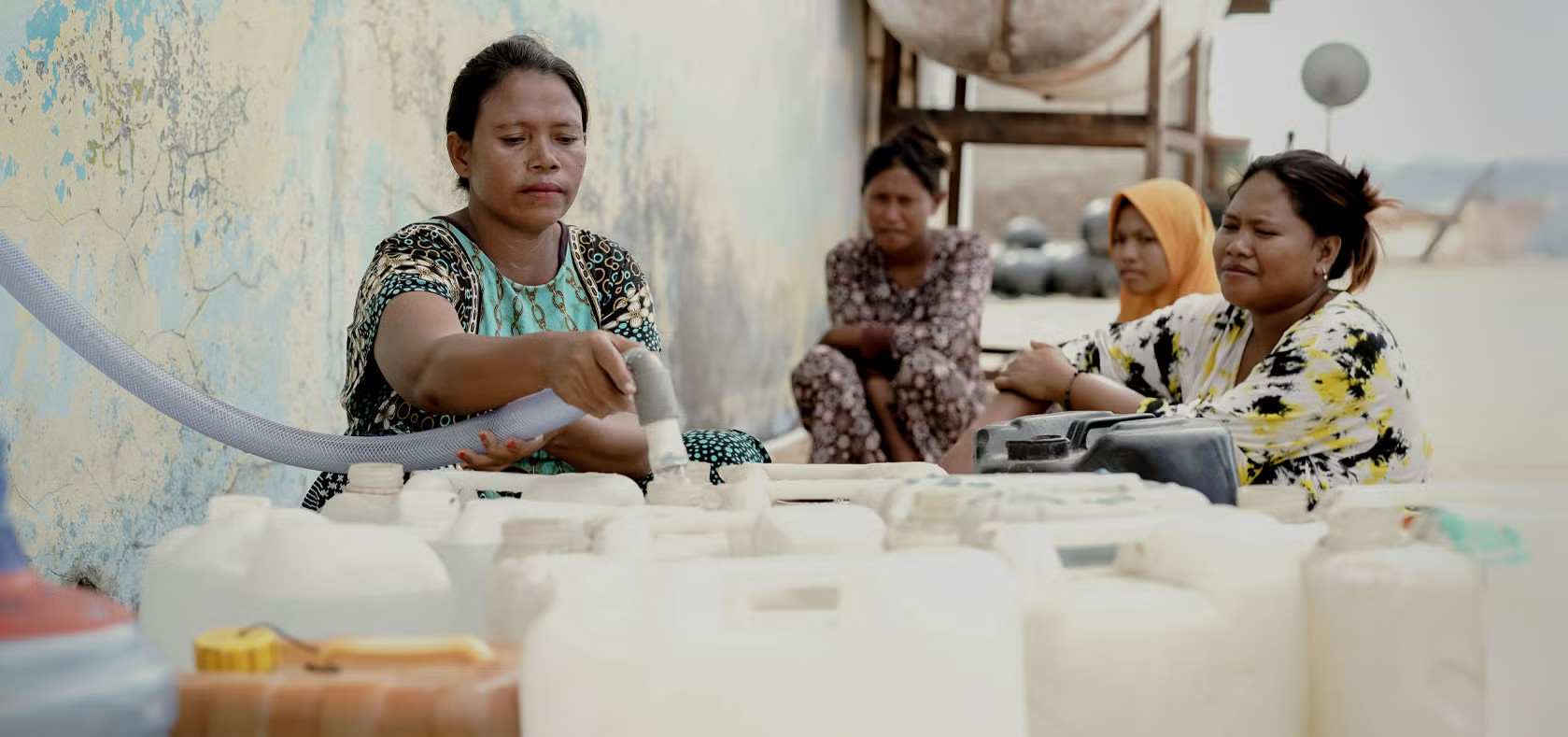
In Viet Nam, the ‘Water is Life’ initiative has brought “Second chances for 10,000 people” through improved water infrastructure and hygiene promotion, highlighting that investment in water is an investment in human capital.
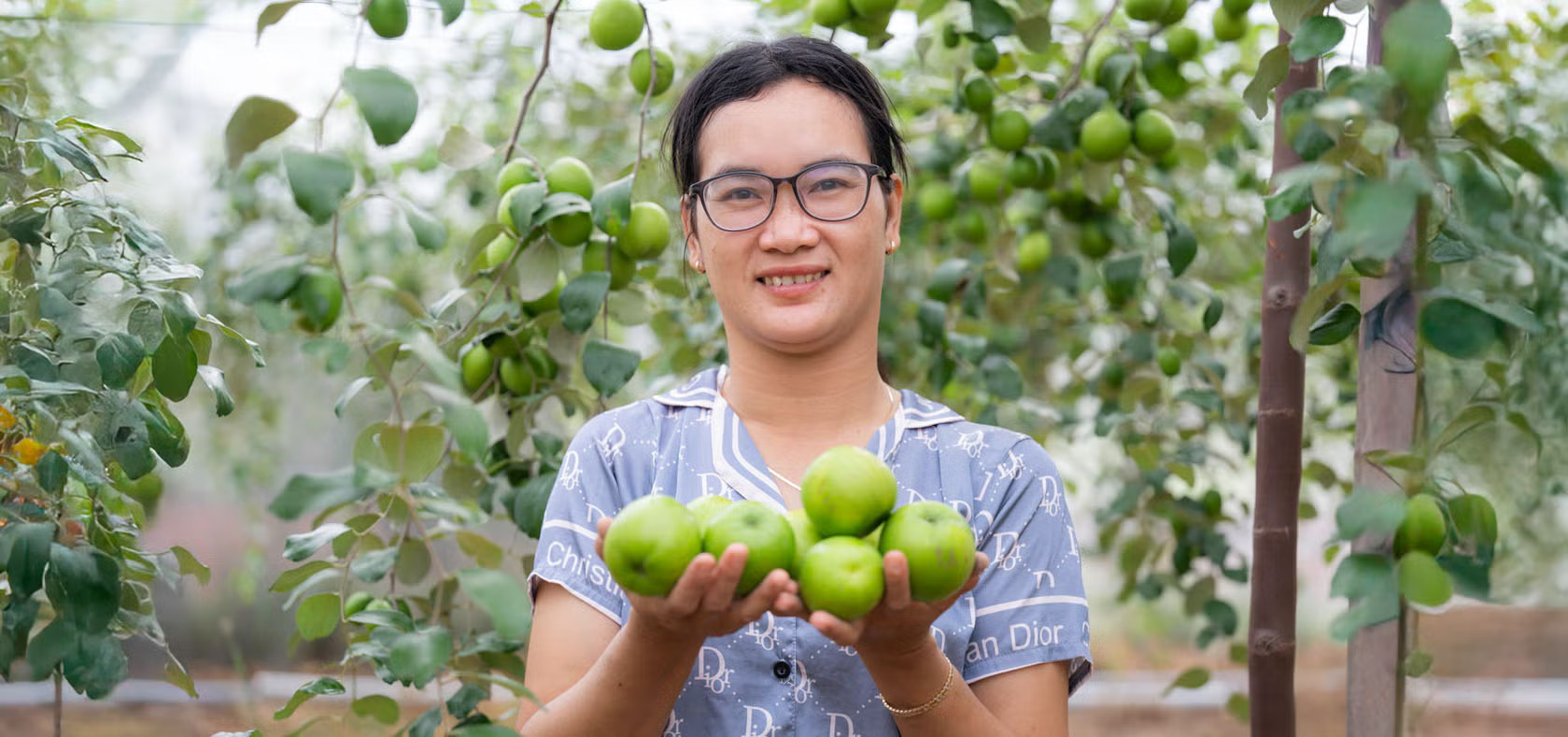
As the global community observes World Water Day and the African Union’s year of water, the message is clear: achieving gender equality and sustainable development is inseparable from assuring sustainable water availability and safe sanitation systems. By devoloping climate-smart, locally-led infrastructure, The Community Revolution is working towards transforming 40km of daily struggle into a future of empowerment and prosperity.