The Inclusive AI Mandate: How TCR’s commitment to Ghana teachers and UK digital safety ensures equitable development
Today, 27 April, as we mark International Girls in ICT Day, the message from the global development community is clear: achieving “AI for Development” requires an urgent, ethical mandate for Inclusivity by Design. The Community Revolution (TCR) asserts that this mandate cannot be met through short-term fixes; it demands a strategic, two-step approach: long-term, scalable capacity building balanced by foundational, trauma-informed digital safety.
For policy makers and major donors, this is the imperative: invest in models that tackle the digital gender gap at its roots, ensuring girls are not merely passive users of technology, but active, safe creators who shape the digital future.
The AI equity crisis: Why digital literacy must be systemic
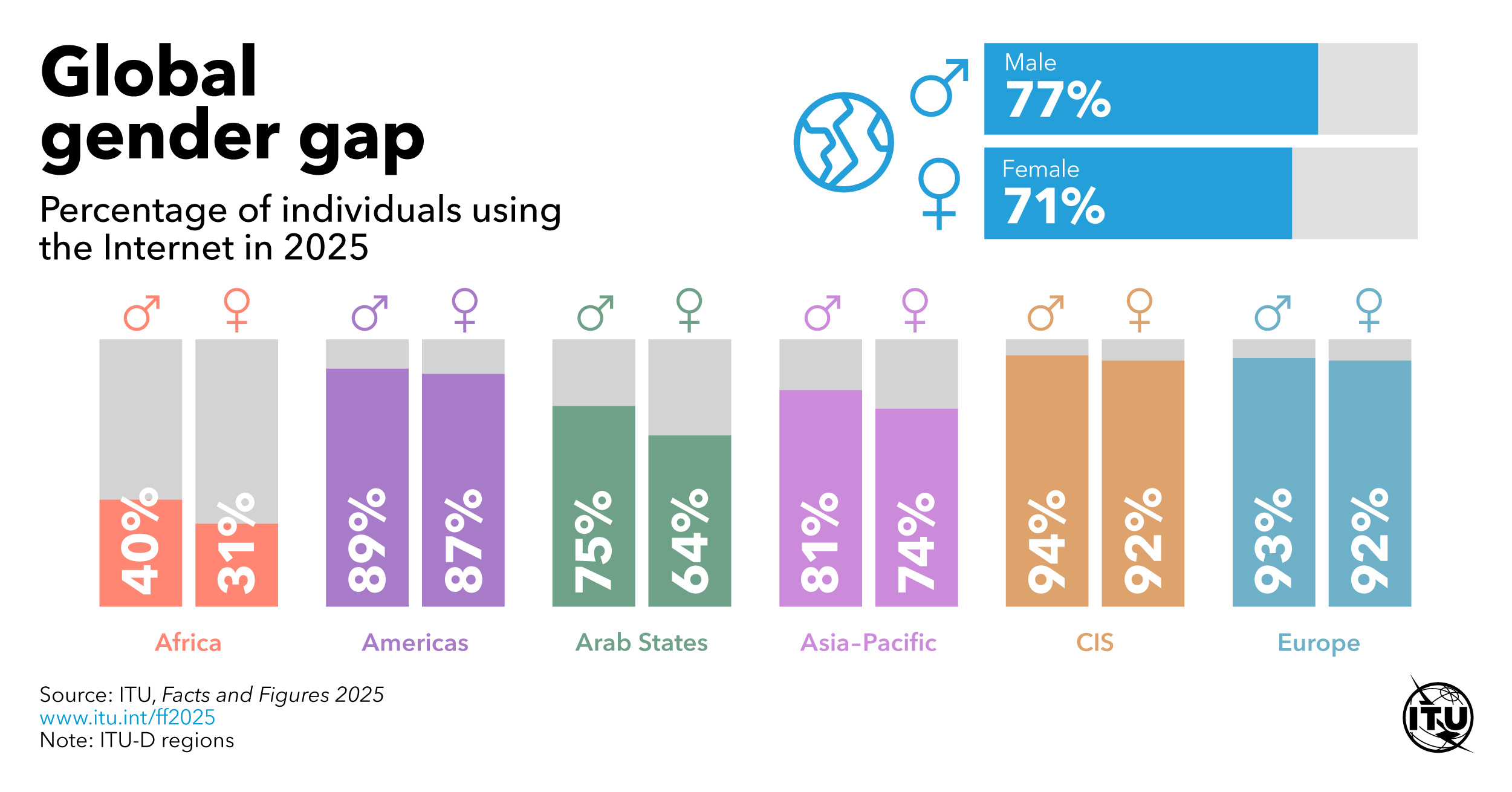
The ITU webinar findings confirm the scale of the digital gender gap, which requires systemic investment to close. Globally, a girl is 1.3 times more likely to be digitally excluded than a boy. This disparity continues to define who shapes the future: women represent only around 25% of the global AI workforce. The foundational gap is evident in everyday access, as 77% of men use the internet globally compared to only 71% of women. Furthermore, men are nearly twice as likely as women to possess data skills globally.
TCR’s strategy is a direct response to this crisis, focused on shifting girls from passive digital consumers to skilled ethical developers.
Pillar 1: The Gold Standard for capacity – investing in teachers
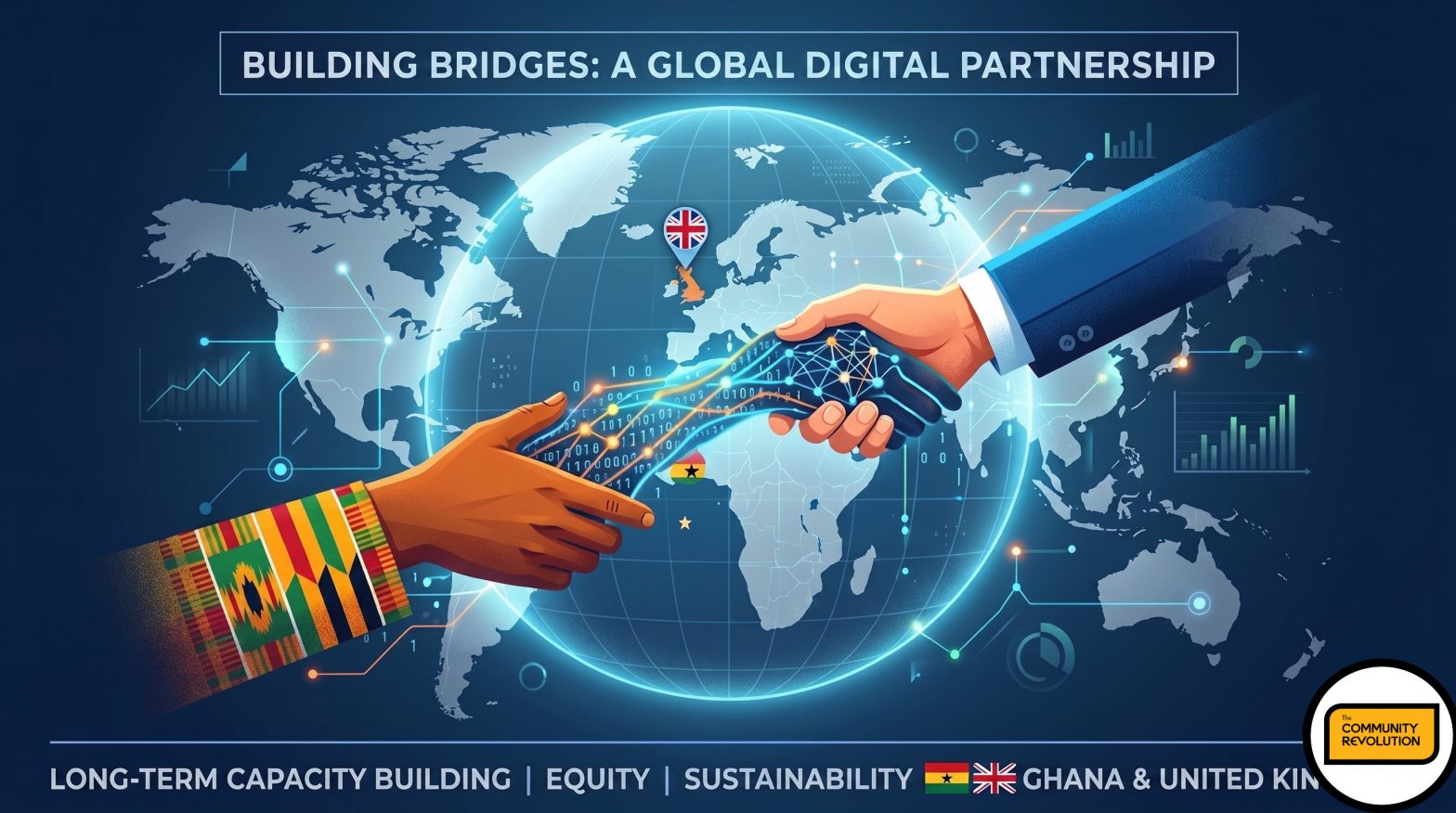
The foundation of sustainable change lies in building digital infrastructure and capacity that lasts. That is why TCR has launched a strategic, long-term partnership with Techness Media Network (TMN) in Ghana.
Techness focuses on training local teachers and educators, the critical link to ensuring skills transfer and scale across communities. This long-term approach aligns with the necessary policy for equitable development, positioning TCR as a leader committed to sustained capacity building.
By investing in scalable teacher training, this model provides a clear investment rationale that appeals to sustainable development funders:
- Creates Economic Agency: This model establishes a clear pathway toward technology entrepreneurship, such as launching “Digital Creators Incubators” that transition students from training to direct pathways to income. This demonstrates a vital economic multiplier effect.
- Attracts Ethical Investment: By demanding Inclusivity by Design, TCR’s programs proactively mitigate algorithmic bias, which is necessary for attracting ethical technology and governance funding streams. The potential for this investment is significant, as demonstrated by external benchmarks like Albania, which invested around €10 million in startups over four years, with 40.6% of those grant applications coming from women and girls.

Pillar 2: The foundational prerequisite – digital safety and self-defence
Advanced AI skills are meaningless if the digital environment is unsafe. The rise of Technology Facilitated Sexual Violence (TFSV) is a profound barrier to digital inclusion, acting as a tool to “silence women” and take away their digital power. Digital safety is, therefore, a precondition for digital skills acquisition.
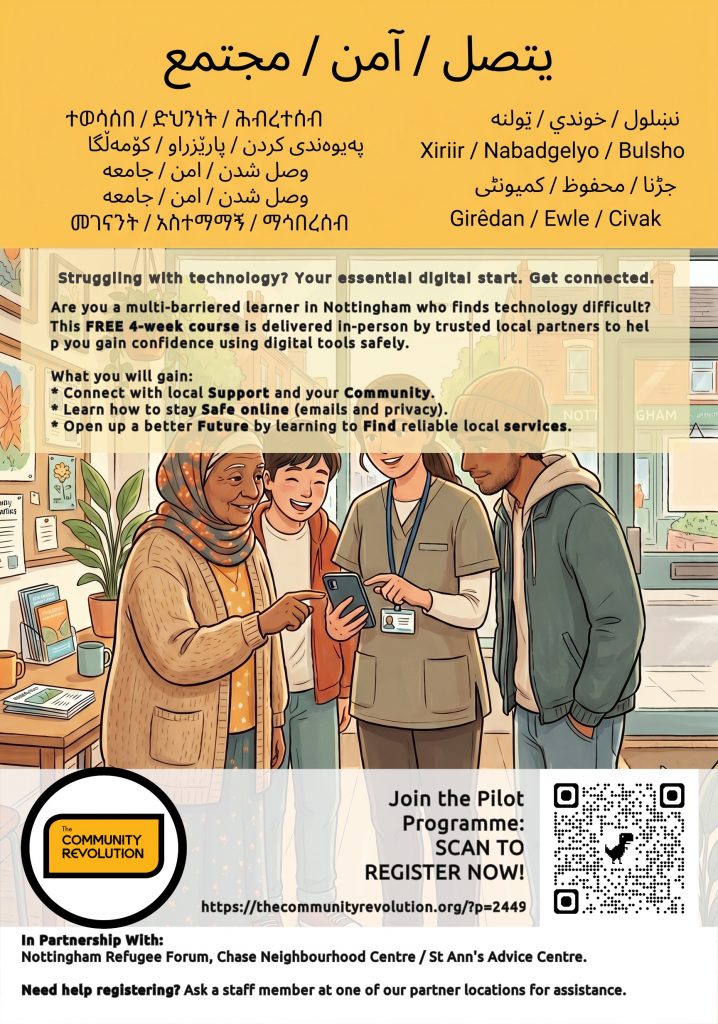
To ensure equitable development, foundational digital safety is non-negotiable. This is why TCR is also launching the Essential Digital Skills (EDS) Pilot in Nottingham.
The Nottingham EDS Pilot, which targets vulnerable women, demonstrates the essential need for foundational digital safety and confidence. Our findings on TFSV mandate that a curriculum addressing this must adopt a survivor-centred approach and principles of trauma-informed care. Consequently, the EDS curriculum integrates mandatory modules on digital self-defence and active bystandership. This critical foundational step ensures women can engage confidently and safely before acquiring more advanced AI skills.
The Mandate for Action
TCR’s dual investment, long-term, scalable teacher training through Techness in Ghana, and immediate, trauma-informed digital safety through the Nottingham EDS Pilot, is the definitive blueprint for equitable “AI for Development”. It addresses both the systemic need for creators and the immediate need for safety and justice.
We call upon policy makers and major donors to recognize and invest in this holistic, two-step model. To truly honour International Girls in ICT Day, we must move beyond simply discussing the challenges and decisively invest in models, like TCR’s, that are creating sustainable digital creators who are safe, skilled, and ready to shape the future.